
The peanut saga - part i
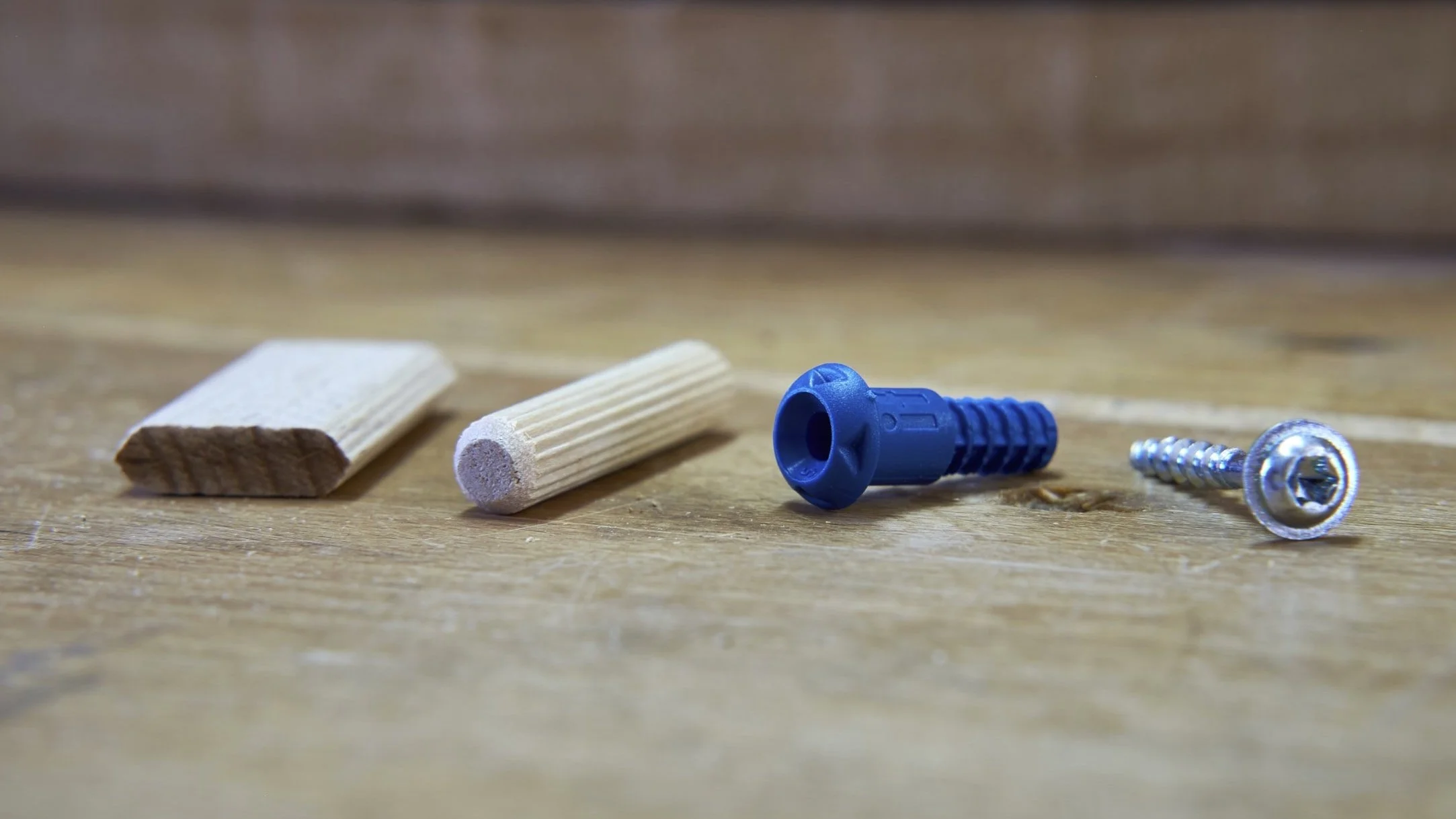
I’m in two minds.
Well four actually. I have long been of the opinion that we as the human race have for some time now had too many choices. Disagree? Just have a look at the menu from your favourite eatery and tell me you would be able to eat each dish in this lifetime!
Being a photographer, I have been aware of this feeling of being overwhelmed by choice and actually started on an article discussing the myriad of editing choices and how to find one’s own voice amongst all the options offered, black and white, high contrast black and white, HDR, saturated, muted, toned and the list goes on. Then we haven’t even started on the amount of gear on offer out there, where it is now rare to buy a dud these days and by dud I mean kit that won’t be able to provide sterling results, at least from a technical perspective.
Anyway back to being in four minds and deciding how different joinery options made it hard on the brain, well mine at least.
In the next week or so I will start processing the raw lumber for an upcoming customer project, the design and preparation for which has had me between a rock and a hard place in the last few weeks. As a lover of learning and experimentation I love new toys, er tools as much as the next guy and any customer project that provides an opportunity to try new techniques or tools is considered a bonus. So it was with this latest customer project, and as soon as they agreed to proceed with the build I started to consider options to join all the planks together in a manner that would make assembly easy and final delivery simpler.
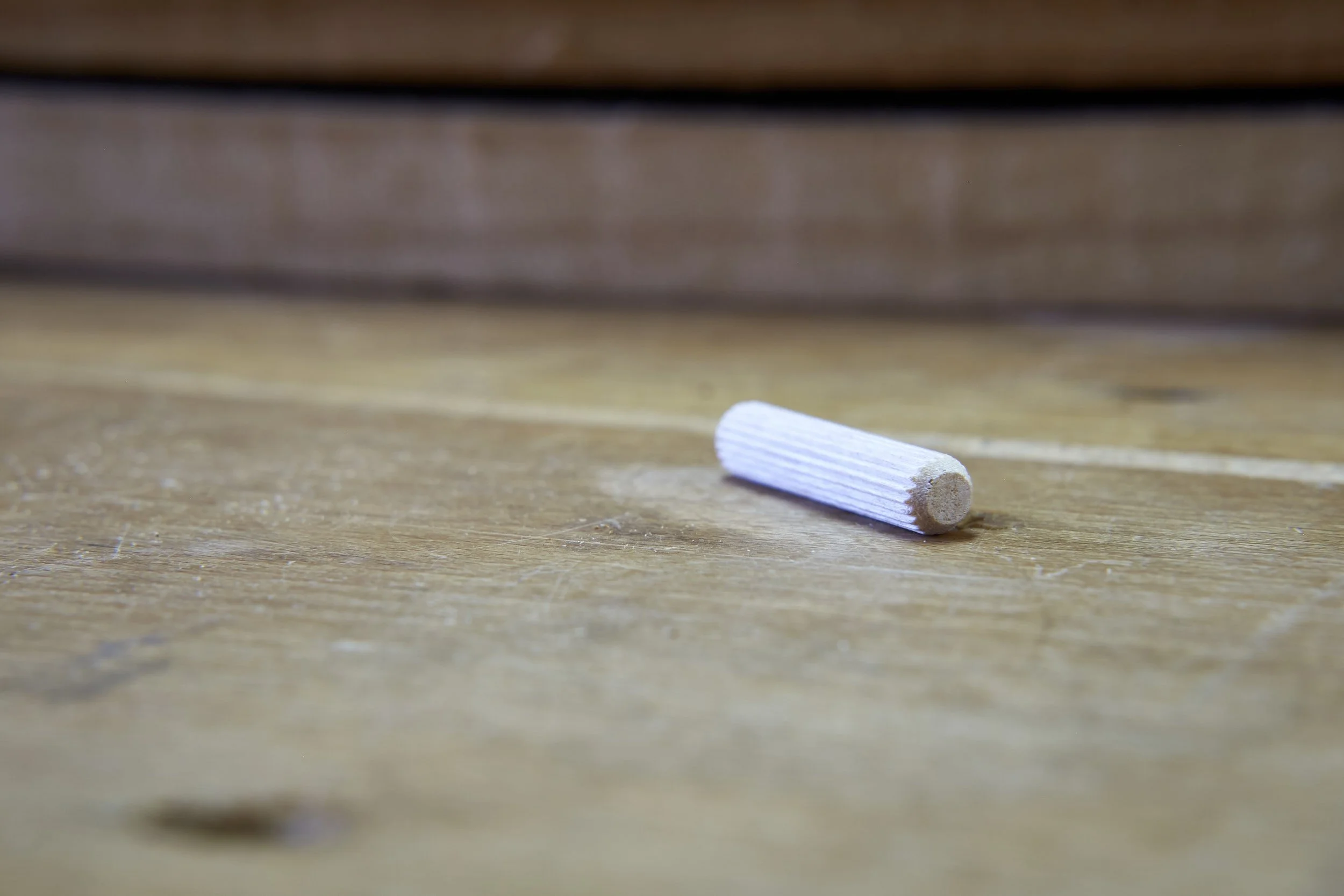
You can’t deliver what you haven’t built first and here the size of the components becomes a consideration. I like to assemble cupboards like these using grooves, dados and rebates strengthened by dowels, so naturally this was the first construction method (we like this vid on dowel joinery) that came to mind. I like cutting these joinery features using my trusty dado stack on the table saw but the size of the larger components would make manhandling the stock challenging in a one man shop (sides would be almost 2.2m x 0.5m x 0.02m) and cutting matching dados to accept the shelves and base would be tricky. I could use a router against a fence but there is no love lost between me and those machines and I would prefer avoiding this method.
Dowels on hold, for now then.
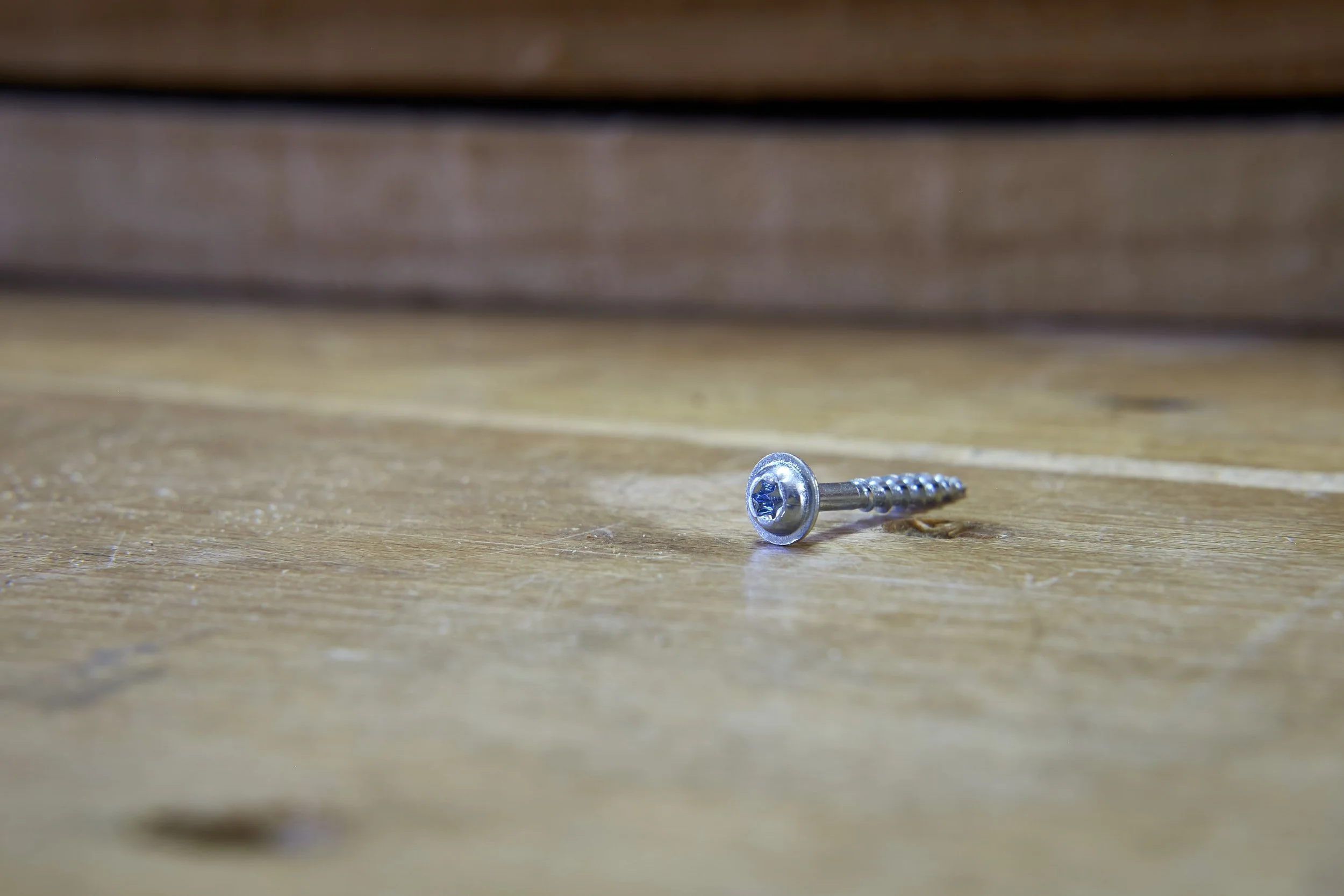
Next up, the much maligned pocket hole. Here the decision was somewhat easier as I’ve never really been convinced by the structural strength some profess these screws to have. That being said the fact that I even have a pocket hole jig in my workshop attests to the fact that pocket holes most certainly have their use in specific applications and I have been know to use them once of twice in tricky but non structural applications. Shelves in a curved speakers podium being one or sliders for drawers in a kitchen trolley another, remind me to tell you about those over a beer of four.
One aspect that was important to the customer was strength, as they would be loading the shelving of the cupboard quite heavily and insisted that anything that looked like the run of the mill kitchen cabinet, would not do.
Off the table came pocket screws.
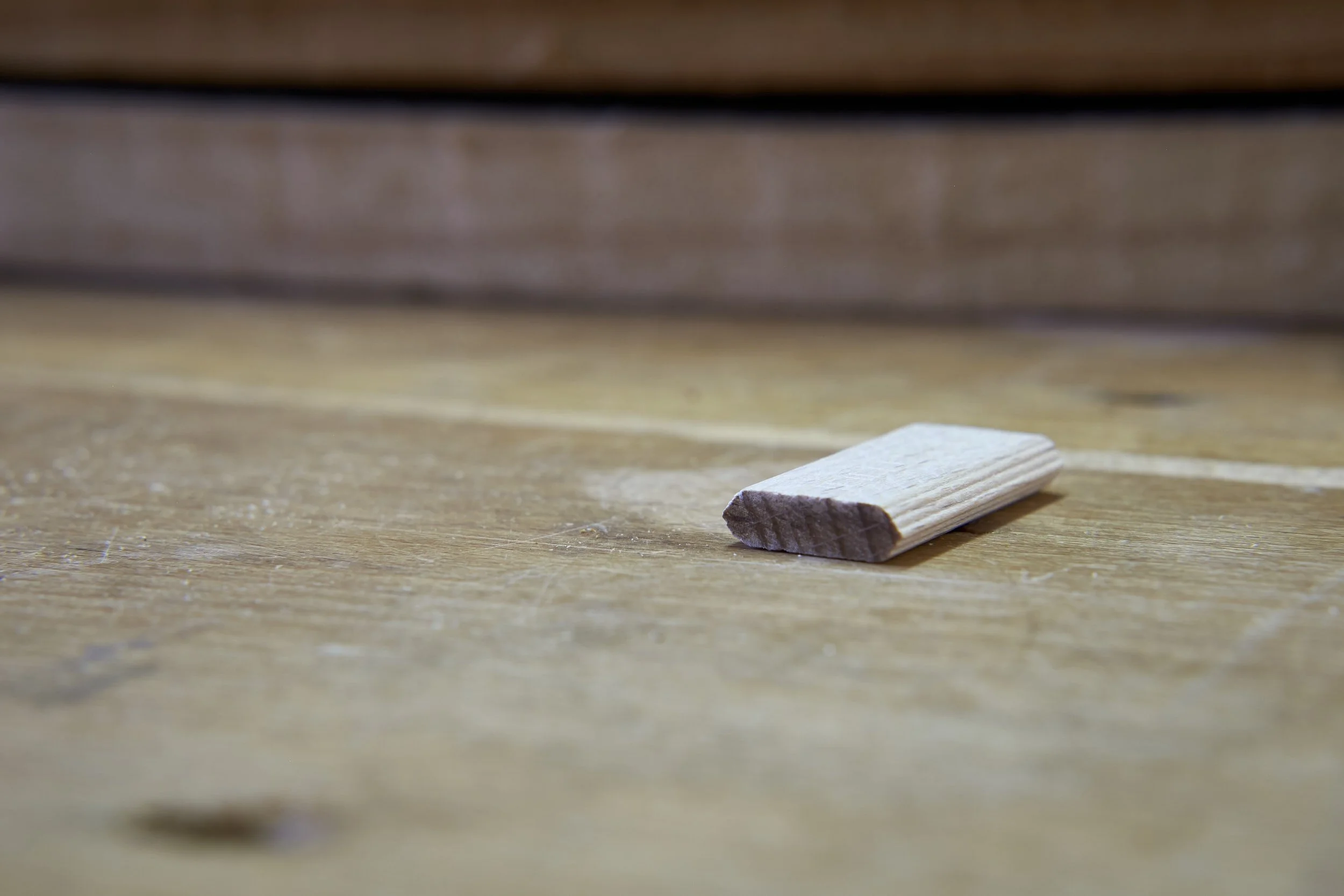
Next up the Festool Domino. As much as the pocket screw is maligned the Domino may be disliked, nay I may even say hated! Ok, I exaggerate so let’s stick with disliked by some.
I have never built a cupboard with Dominos but I have put together a rather large bunkbed and storage for a customer using loose tenon joinery and can’t imagine doing it another way, especially in the time I did. Needless to say they are a favourite but I’ve never used them on a cupboard and prefer option one above for carcasses. Always a first time though, and the Domino remains on the table for now. Considering that I can take the tool to the workpiece is certainly a plus.
Important for me on this particular project was first and foremost, ease of construction but secondly ease of installation and we liked the idea of making this project as a knock down unit. Some, may know this technique as flat packing, to me it is known as an opportunity to try something new and put some extensive research to good use.
I think some background might help here.
At some point in my woodworking career I started to lust after the Festool Domino and during my research I came up against the choice between the DF500 and the DF700, see we are back at choices. By the way I hate it when, in the middle of a rather intense research session you find a blog or video that promises to give you the answers and the guy or gal says the following words “well it depends”. Man, if you want to get me hot under the collar use those words when I need a clear answer. Short rant out of the way but I did end up purchasing the 500 and for me it was a game changer, although having the 700 would be nice.
In the process of watching and reading everything about the Domino and its alternatives I stumbled on the Peanut from Intelligent Fixings. Friends at a local woodworking tool outlet here in South Africa pointed me to the demo videos by IF and I was immediately intrigued by the system’s simplicity and potential for knock down furniture. The fact that their jigs could also double as doweling and loose tenon jigs, really made me sit up and take notice of these as an alternative to the Domino, off course the videos done by Peter Millard from 10MinuteWorkshop fame helped a lot, especially considering that he is a user of both the Festool and IF systems.
The Peanut looked really promising but the one thing that made me choose the Domino over the Peanut was, efficiency. The time it took to set up the Peanut jig and the fact that it excelled at knock down furniture, something I wasn’t considering in doing at that time, helped push my decision in Festool’s direction.
Fast forward just over a year and one request for a kitchen style cabinet later (a job I turned down), I decided to relook the solution from Intelligent Fixings as I had this particular project coming and possibly one more for later this year, neither requiring that they be of a knock down nature but it would most certainly help if they were.

The Peanut - for more check out Part II
So in my mind it went something like this, strength + quick build + flat pack = peanuts.
Peanuts added to the mix then and giving me the ability of relatively quick construction and the option to flatpack and assemble on site the Peanut became the front runner out of the choices listed thus far.
So what about the Domino fasteners? Two words, expensive and visible.
We are now here:
Dowel - maybe
Pocket hole - nope
Domino - mmmmm, dunno
Peanuts - we’ll see
Check out part II of The Peanut Saga to see how our first experience with the Peanut jig went, blog will be posted coming week Tuesday.