
The Amazing Domino Super Power That Will Save You Time
I know this has happened to you, at least it's happened to me enough to know that by the law of averages it must have happened to someone else out there as well.
I sometimes get my hands on tools and get comfortable to the routine of using certain functions on said piece of equipment, so much so that I sometimes forget that there may be additional functionalities or components included in the package that would become useful later on.
The Festool Domino being a case in point.
This tool has found a permanent home in my workshop and I reach for it more than most “traditional” woodworkers would like to admit. The most recent project where it saved me a load of time was during the making of the garage cupboard project which you can read more about here. To cut a long story short I usually turn to dados to accept shelves or panels that form part of the carcass and this I routinely cut on the table saw using a dado stack.
With this project though the width of the panels would make cutting my go to joinery problematic and the Peanut jig became a contender for getting it all together. As you may have read here, this plan didn’t turn out quite as I had hoped and I went with the Domino in the end and this series of posts chronicles the process of using this versatile tool from Festool, from cutting the mid panel joinery to assembling the doors.
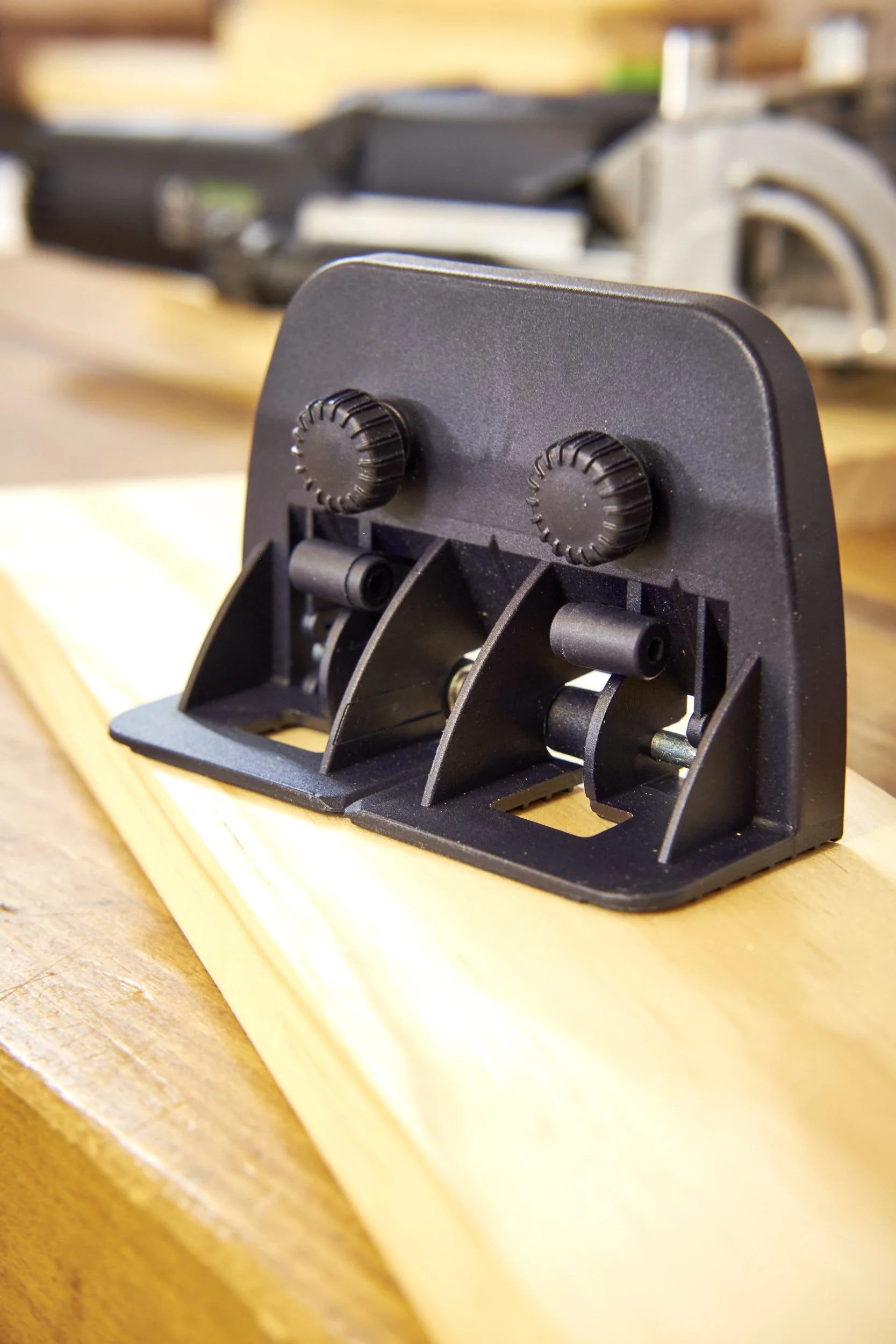
Heading towards the end of the project the time came to get the small table on the side of the cupboard together and we started with the aprons. Here again the Domino came into its own, but this time more specifically the Domino pared with the additional stop which comes standard with the tool.
I wouldn’t call this addition that screws to the base of the Domino a stranger in my workflow but I mainly use it to provide stability for the machine when having it stand on its head so to speak when cutting joinery in the middle of panels. So this time I didn’t even consider using it for this particular use case, although I should have as the support base was also designed to be used when cutting mortises at the end of a board while registering the guide on top of the end grain.
Something I did plan though was to use the Domino with the standard flip stops situated in the guide base to minimise the need for wasting time doing layouts and marking the position for each loose tenon. So with the first apron secured to the workbench I started up the machine and registered one of the stops against an edge and very quickly realised that this strategy would be doomed to failure.
The integrated flip stops on the Festool Domino DF 500 places the middle of the mortise being cut at 36mm from whatever edge the stop may be registered against and with the final width of each apron cut to 100mm it became apparent that the spacing of the mortises would not result in a stable joint.
The obvious reaction to my idea not going to plan was to grumble to myself and seeing as that no grumbling session is worth its weight in salt without some coffee to ease the process, it is just what I did.
Grumble with a cup of coffee in hand.
The great thing about grumbling over a cup of coffee is that often this results in better ideas and this is exactly what happened. Being the curious so and so that I am I turned my attention first to the DF 500’s bigger brother the DF 700 and knowing that it had three stops on either side I could choose from, I wondered how I could use this as an excuse to add the bigger Domino to my arsenal, after all if you watch any comparison between the machines the smiling guy on YouTube usually states that if you would be building doors, that the 700 was the machine for you. Following his advice wouldn’t be much of a stretch if you ignore the fact that they also usually mention “large” in that statement and that the doors had gone together perfectly earlier in the week, using the 500 to cut the joinery, no less.
I did doubt if my logic would pass muster with my wiser half so I passed on that daydream, at least for the time being.
One thought led to another and I remembered that the additional stop that I rarely used also had integrated stops and quickly had it out of the systainer and mounted to the machine. I flipped out one stop and checked the rule from the top and lo and behold it said 21mm which would place the mortice much closer to the edge being referenced to than would be the case with the integrated flip stop at 36mm.
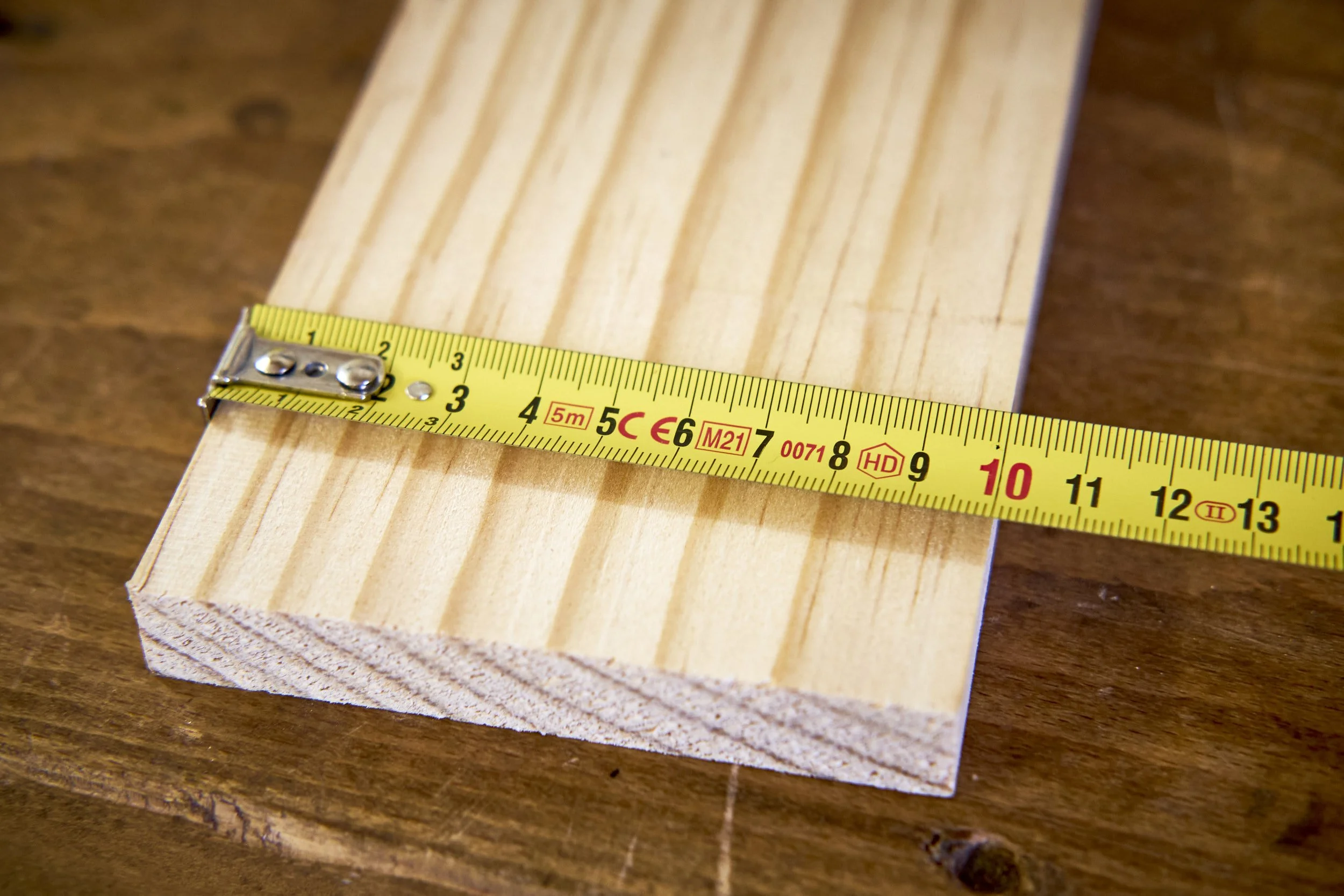
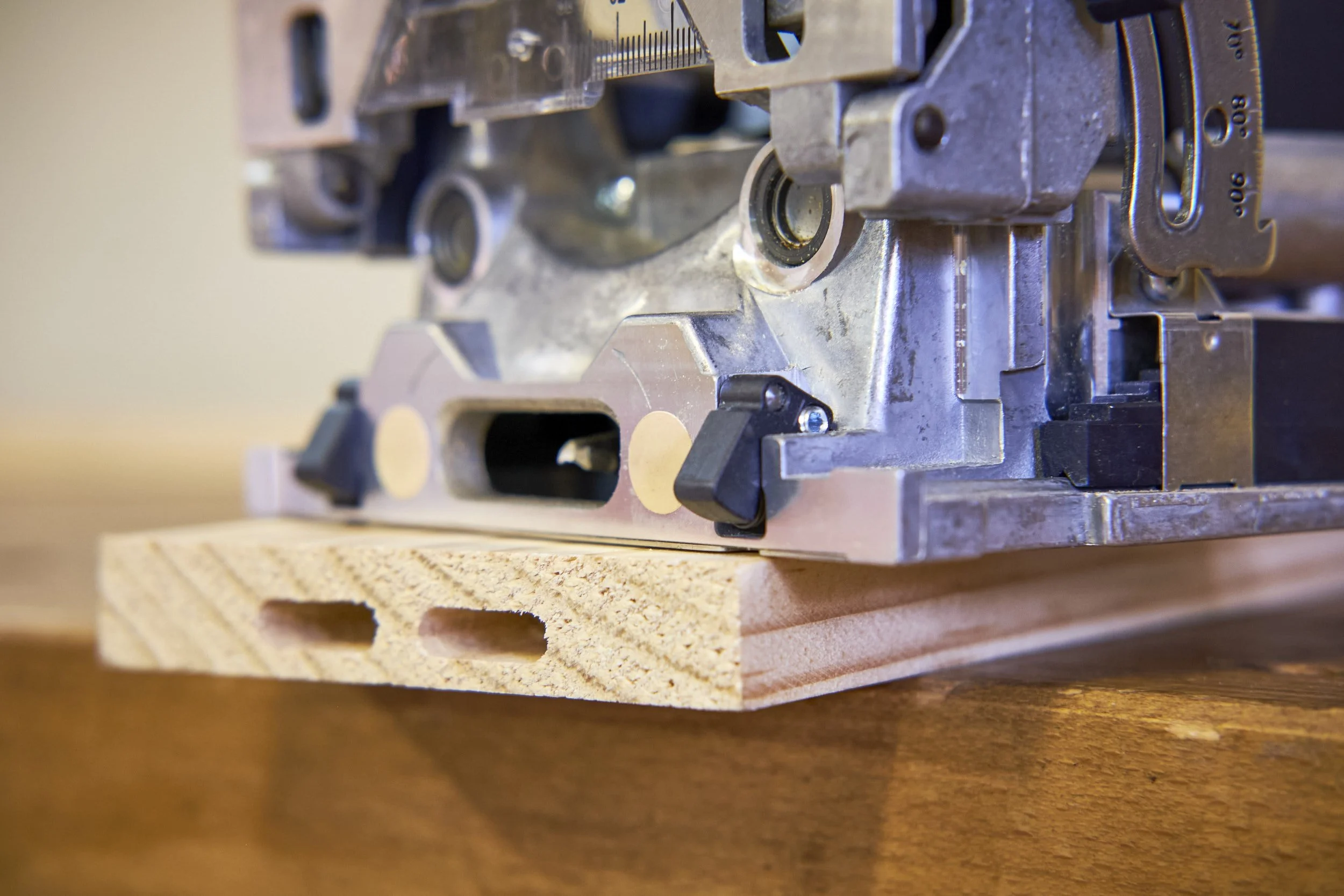
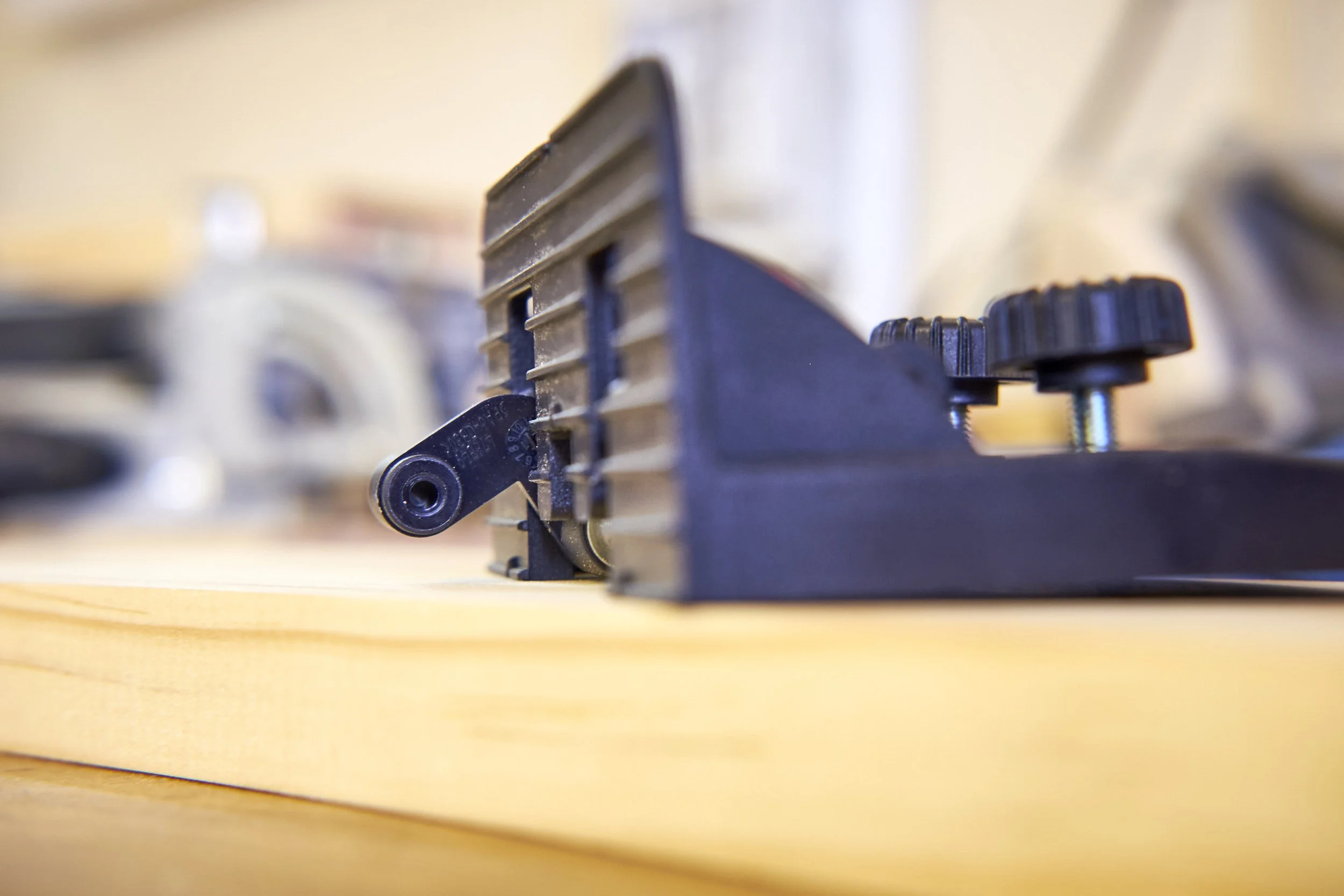
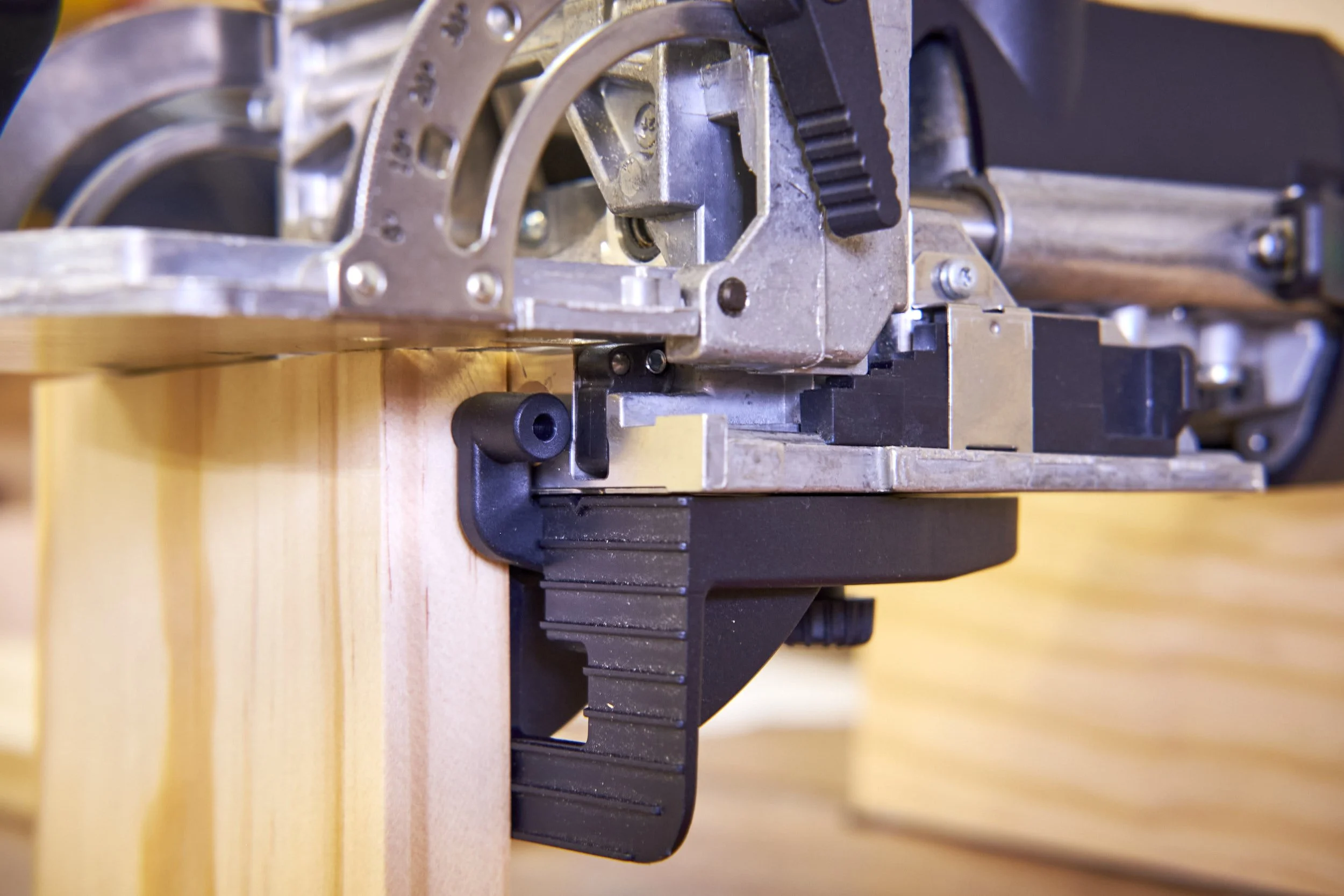
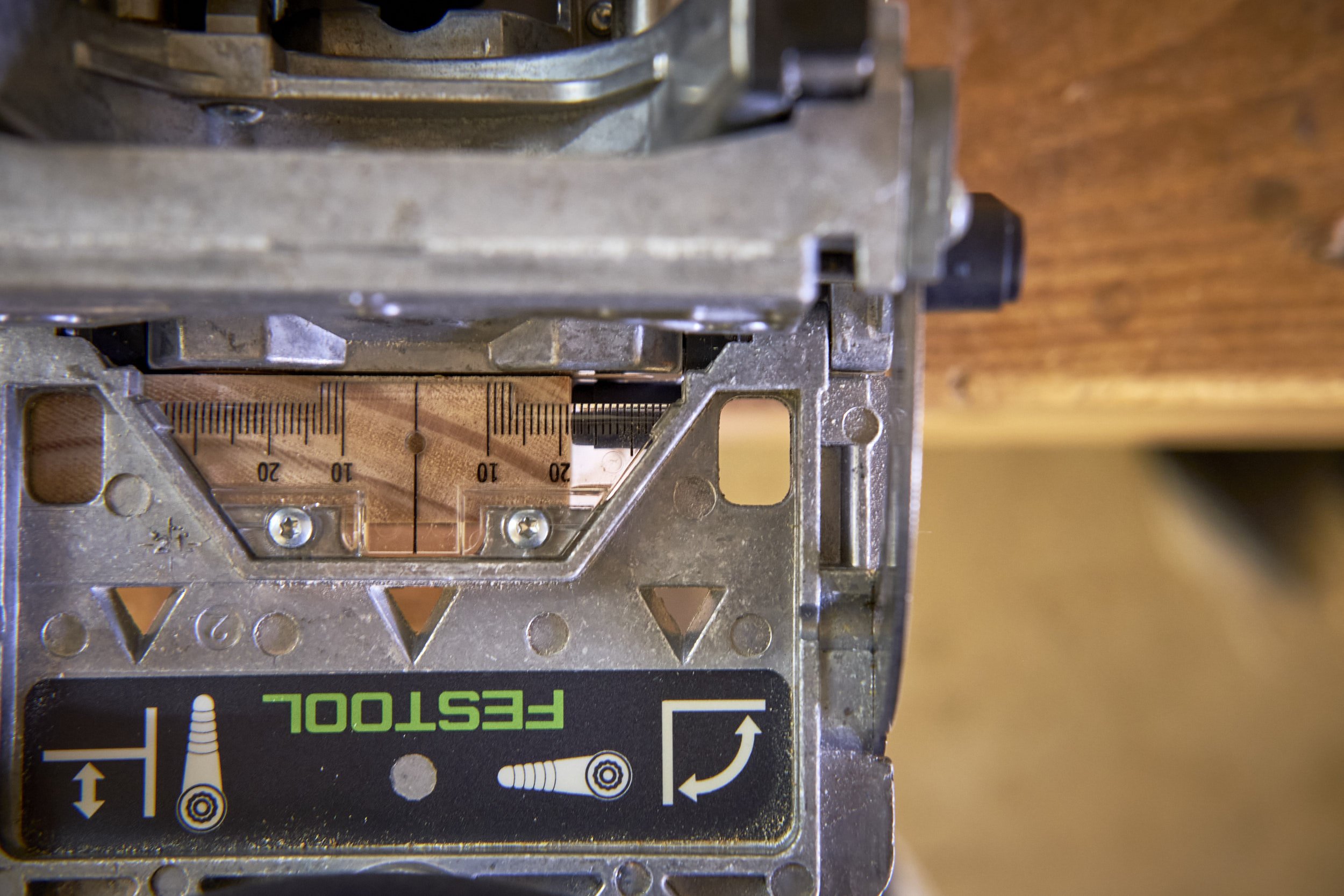
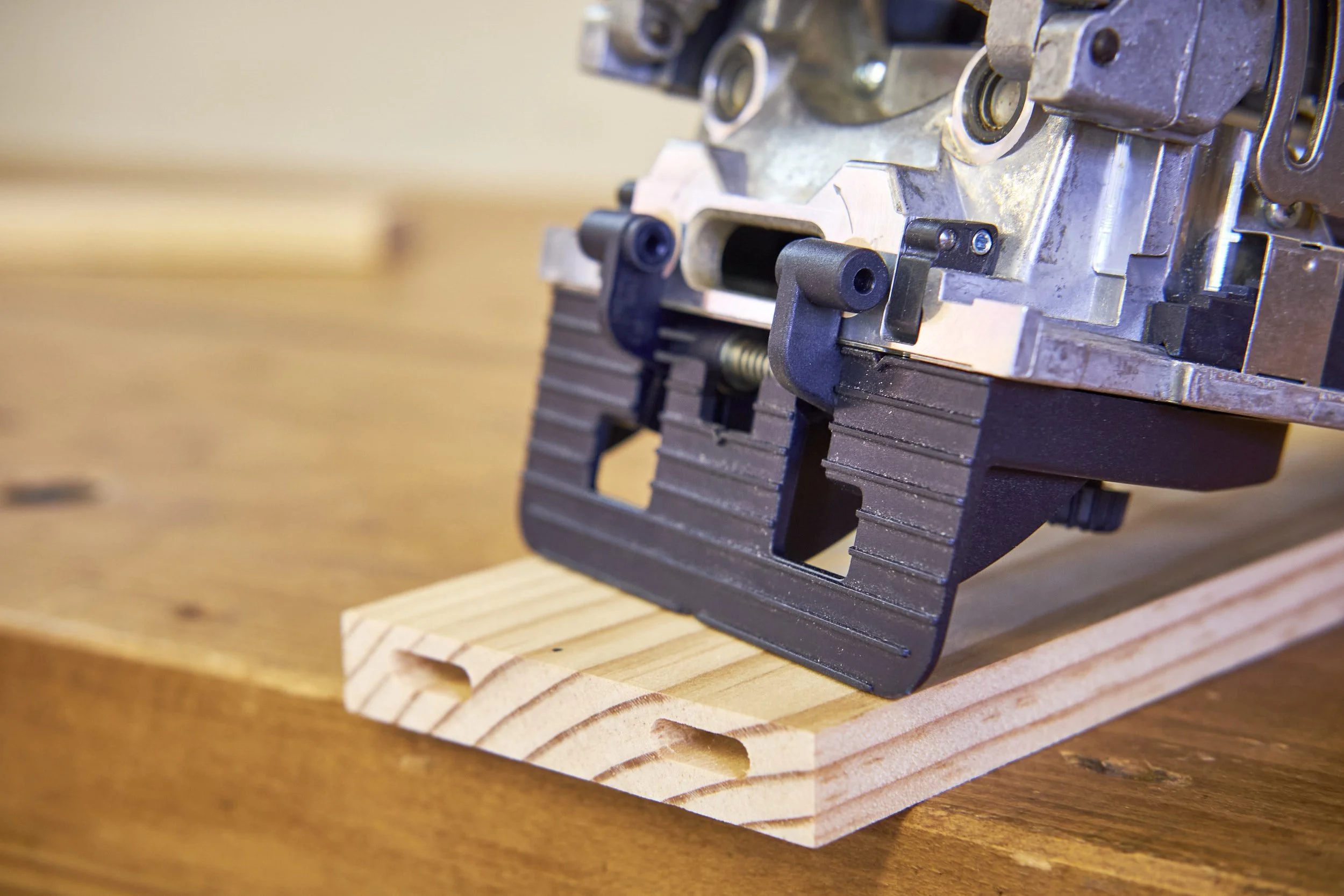
It was game on an I proceeded to cut the first mortise referencing from the right edge of the board and then the second referencing from the left.
Standing back I evaluated my handiwork and it was immediately obvious that we had a winner on our hands with the resulting mortises being both evenly spaced from either edge and from one another. After cutting the test and the first matching board I was so impressed with myself that I just had to film myself cutting and fitting the next sections and you will find the longer version of the video at the end of the post.
If you want to see the shorter version with music, why not head on over to our Instagram feed and while there tap the follow button to stay updated with almost daily posts of what I’m up to and what to look forward to on the site.
And that’s it folks a true secret super power hidden in one of the most used tools in my workshop and how it came to save the day and one that is especially helpful to anyone who has forgotten that it exists!
Of course I cannot leave you without a word of warning………
Safety Tip: To seat the stops back into the additional stop or into position you need to use your hands around the area where the cutting bit will be spinning. Switch the machine OFF before doing so!!
Look after your digits, you need them to do what we do.
A short video showing the stops hidden within the Festool Domino additional stop and getting perfectly spaces mortises on a narrow board.