
The Good, The Bad, and The Dirty
Hand Sharpening Systems Compared: Diamond, Water, and Scary Sharp
Today we compare the three most common ways out there of getting your blades sharp, that is if you do so by hand.
All of these systems promises razor sharp edges but not all are created equal, at least not to my mind and experience.
In woodworking, sharpening is the great equaliser: no matter how fine your tools are, they’re only as good and safe in use, as the edge you can put on them.
There are three systems most hand-tool woodworkers eventually face — diamond stones, Japanese water stones, and the once popular 'scary sharp' method. I’ve used all three long enough to have opinions, frustrations, and a few lessons worth sharing. This isn’t a lab test, it’s real shop experience, sweat and slurry included.
The stones and gear mentioned here are available through Hardware Centre — affiliate links help keep the lights on and the tools sharp.
The Good – Diamond Stones
Diamond stones are as straightforward as sharpening gets and, yes, they are my abrasive of choice when sharpening my own blades.
No soaking, no flattening, and no slurry.
They’re built for consistency. Once you invest in a set, you’ll likely still be using them a decade later - my own set is coming up on 4 years of constant use - long after your other abrasives have been worn down and replaced. The surface stays flat for life, which makes them ideal for flattening the backs of new blades, squaring chisels, and daily use.
Quality does equate to flatness so be sure to consider stones from reputable manufacturers.
That’s the good, they are fast, clean, and result in predictable edges with zero prep time. The trade-off? The upfront cost. Quality plates like the DMT or the EZE-LAP range aren’t cheap, but they pay for themselves in longevity. For many, diamond stones are the ultimate sharpening abrasives and likely the only time a guy would be able to make the claim that “diamonds are forever”!
PRO TIP: A light spritz of window cleaner - avoid the stuff that contains ammonia - helps clear swarf, and fights rust. Finishing on a leather strop will give you the mirror polish that water stones are famous for, without the mud.
Diamond stones do wear out and you will find over time that the stones will become less aggressive. It’s not all bad though, as a stone becomes “finer” you can move it up in the sharpening sequence while only needing to replace your coarsest stone.
If you need help making a strop check out my video where I take you through the process of making the most versatile workshop strop out there.
I use a combination of DMT and EZE-LAP plates in my own set-up.
The Bad – Scary Sharp
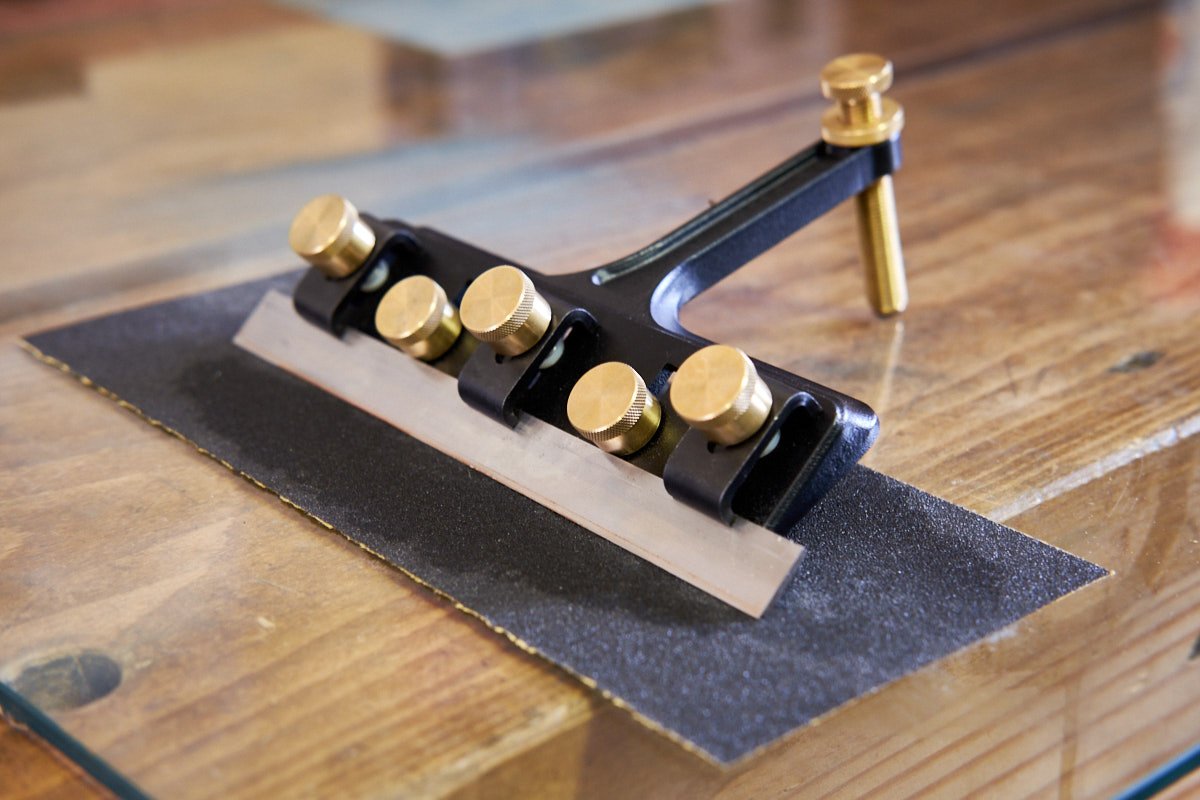
The 'scary sharp' method is both brilliant and infuriating. The idea is simple, stick sandpaper onto a sheet of glass or granite, and work through the grits just like you would on stones. It’s cheap, it’s accessible, and it can produce dazzling mirror sharp edges.
That’s the good. The bad? Paper wears fast, adhesive residue builds up, and you’ll spend more time peeling and reapplying sheets than actually sharpening. It’s a consumable system which means you’re buying paper forever.
For occasional sharpening or setting up a few new tools, it’s a great entry point for beginners especially. But for regular use, it gets messy and expensive fast.
If you’re going scary sharp, use quality 3M micro-abrasive film if you can find it. Stick them to a glass or phenolic plate (Veritas and Axminster makes good ones) and keep your grits organised. You’ll get results, just don’t expect it to be clean or without frustration.
I do have to admit that I still regularly use ‘scary sharp’ when I sharpen my jointer blades using the Veritas Jointer Blade jig which was designed for this system. You can read more about the jig here and if you would like to see it in action you will find my step by step how-to video here.
The Dirty – Japanese Water Stones
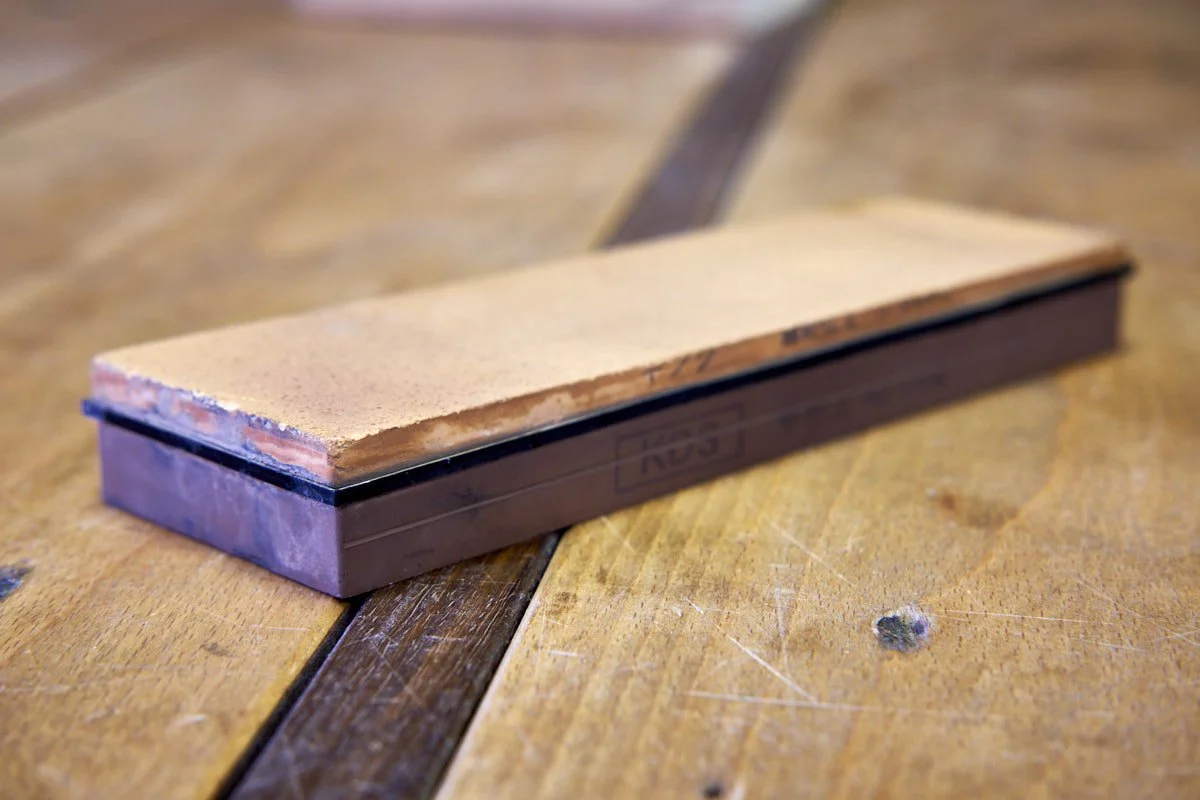
Water stones are the zen garden of sharpening. They’re beautiful, tactile, and capable of creating edges so fine they’ll split a hair.
They’re also the messiest system in today’s selection. Expect water and slurry everywhere.
The slurry is what makes Japanese whetstones extremely effective, not only does the stone’s abrasive surface remove metal but the slurry that forms while using a water stone contributes to the process to make Japanese stones known for their ability to remove metal fast and possibly leaves the keenest edge achievable by hand, at least straight off the stone.
The slurry needs to come from somewhere though and Japanese stones do wear down and will need to be replaced eventually, sometimes sooner than you might think.
Slurry is also their downfall for some woodworkers.
Watch any Japanese woodworker sharpen a blade on YouTube and I can almost guarantee that they have a dedicated sharpening station, usually at a basin, where sharpening takes place.
The good: incredible sharp tools, easy of use and reasonable entry cost. The dirty: constant flattening, soaking, and cleanup.
If you are a beginner and you are looking into getting into hand sharpening at a reasonable cost, Japanese stones are hard to beat. Just don’t expect to leave the bench spotless.
PRO TIP: If you are starting out on your hand sharpening journey and do decide that Japanese stones are the way to go be sure to use a honing guide while you learn. I sharpen free hand and my water stone has seen more wear from the flattening stone I use to fix gouges caused by incorrect technique than actual sharpening.
Diamond Stones vs Scary Sharp vs Water Stones — Quick Comparison
-
| Fast, durable, low maintenance | Expensive upfront | Everyday sharpening |
-
| Cheap, simple, fine edges | Paper waste, uneven wear | Beginners & budget setups |
-
| Ultimate polish, cost effective | Messy, constant flattening | Perfectionists & patient users |
Finding the Edge That Fits You
Each sharpening system has its place. Diamond stones win for reliability and speed, scary sharp shines as a budget gateway, and water stones rule when you crave the perfect edge.
The trick is knowing your temperament and your tolerance for mess.
The best sharpening system is the one that keeps your tools sharp and you coming back to the bench. For me, that means diamonds most days, a muddy afternoon with water stones when I want to see that ‘horror movie glint’ on a fresh edge straight of the stone, and finally scary sharp when I need fresh edges on my jointer blades.
Here is a funny personal anecdote to finish off today’s article.
I like giving the cutting tools that I have used at the bench a fresh edge before I finish off for the day, even if they don’t need it. Knowing that my tools are sharp for the next day makes me sleep better.
Anyway, my wife often tells me that I smell like steel at the dinner table, and as flattering as being called ‘The Man of Steel’ may be, I don’t think it’s what she means!
Well, at least I’ll get a good night’s rest.
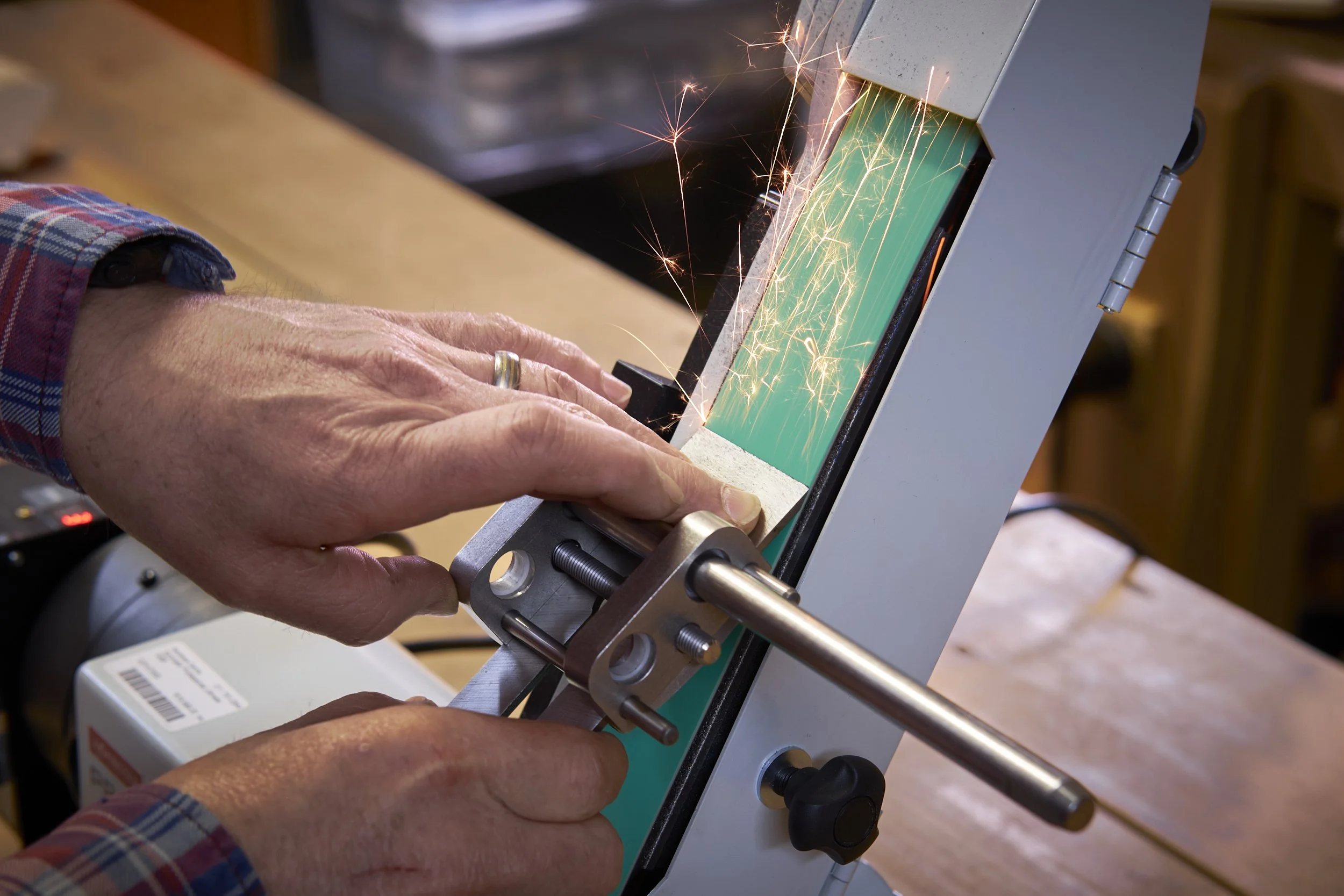

A hands-on comparison of the three most popular hand-sharpening systems — diamond stones, Japanese water stones, and the “scary sharp” method. I’ll share the real pros, cons, and quirks of each, along with what I actually use in my own workshop.