
If you are interested in getting into hand tool woodworking, or if you are already a machine woodworker looking to incorporate hand tools into your workflow, your first hand tool investment will likely be either a set of chisels or a hand plane.
Should you ever corner me about which hand tool I’d suggest you get first, my unequivocal answer would be a #5 Jack plane — and in today’s article, I’ll tell you exactly why.
There are different versions of hand planes out there that carry the name “Jack” and I personally own six! In spite of all the options available, the classic Bailey-pattern, bevel-down #5 Jack remains my favourite starting point for beginners, and here are my reasons why.
Starting with versatility.
For the record, the Jack wasn’t my first hand plane purchase, nor is it the most used hand plane in my workshop, but more on that a little later.
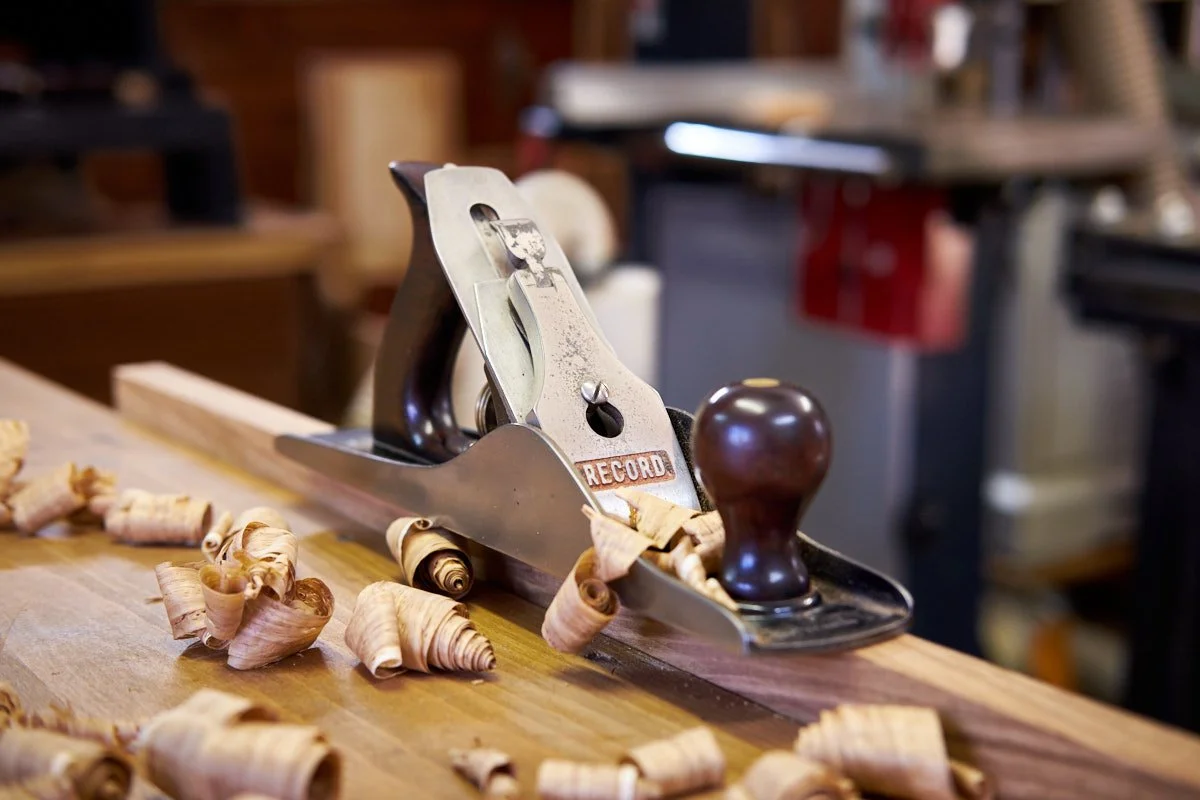
Why the #5 Jack Plane Is So Versatile
When you get into hand tools you’ll quickly realise that collecting them may often be neither cheap nor straightforward. There are a dizzying array of specialist hand planes that excel at single tasks, but it’s the tool that is versatile, predictable, and easy to set up that you will reach for again and again.
The #5 Jack earned its name honestly and it really is the jack-of-all-trades among bench planes.
One of the main reasons is its length.
A common rule of thumb is that a plane can easily flatten and square stock up to roughly twice the length of its sole. A #5 is around 355 mm (14"), meaning it can reliably handle boards around 700 mm (28") long. That is the perfect size range for most beginner projects.
Accuracy assumes that the sole is flat, if you’re unsure about how to make it so, I have a video on flattening a hand plane on my YouTube channel.
But the versatility goes far beyond length.
With thoughtful setup, a Jack can take medium or fine shavings, letting you use it for both rough stock prep and final smoothing. Fit a heavily cambered blade, back off the chip breaker, and you’ve got a very capable scrub plane for rapid material removal.
With just 2 blades on hand, you essentially have three planes in one:
• small jointer
• scrub plane
• smoother
This alone makes the #5 the smartest first plane for beginners.
Availability and Price (A Big Win for Beginners)
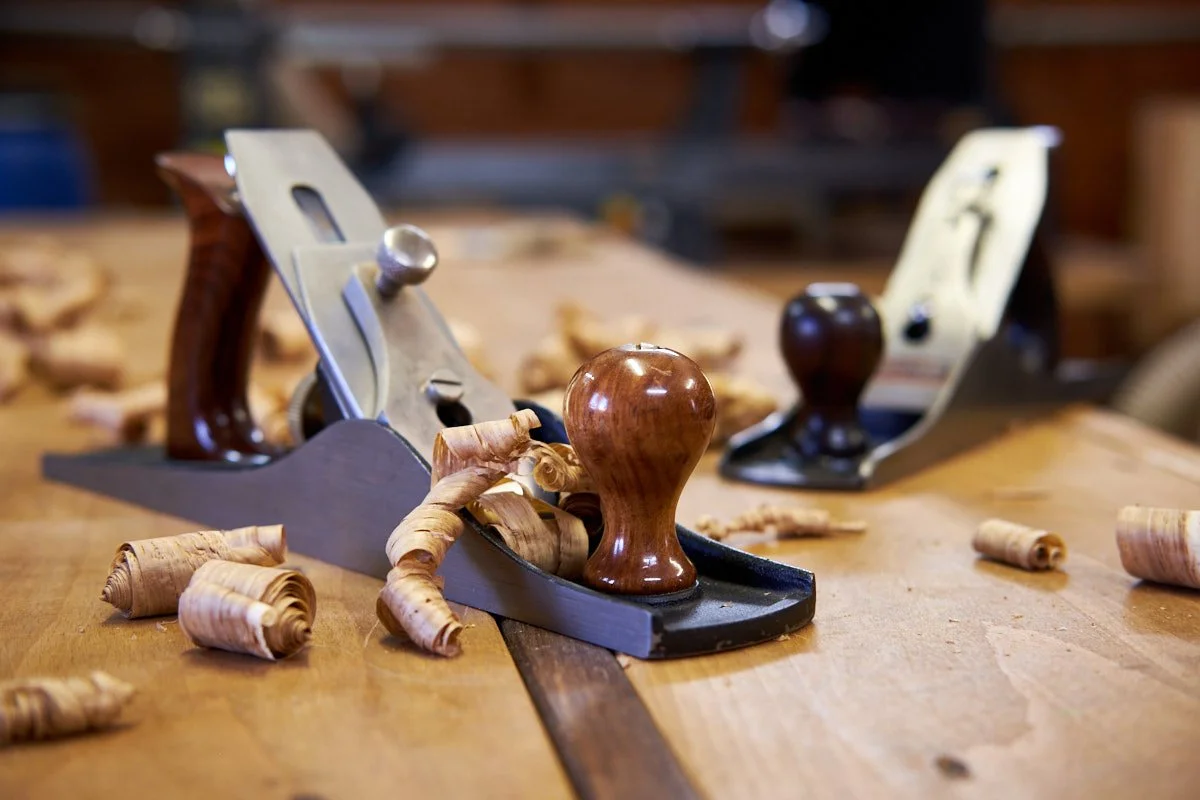
One of the less glamorous but very real advantages of the #5 is how common it is. Plenty were made, plenty are still being made, and in my local market the #5 and #4 are by far the easiest hand planes to find second-hand.
This means:
• Good vintage #5s are affordable and easy to restore
• Replacement parts are widely available
• New #5s exist at a price point to suit most budgets
• Modern aftermarket blades often drop straight into vintage planes
• You can even afford to have multiple #5s set up for different roles
The only caveat is that some newer budget models are made down to a price and can require a fair bit of fettling. They can work, but unless you enjoy tuning planes, they’re best avoided as your first experience.
If your budget allows it, Veritas and Lie-Nielsen are superb premium choices. For more affordable options, WoodRiver, Luban and Soba are all worth a closer look.
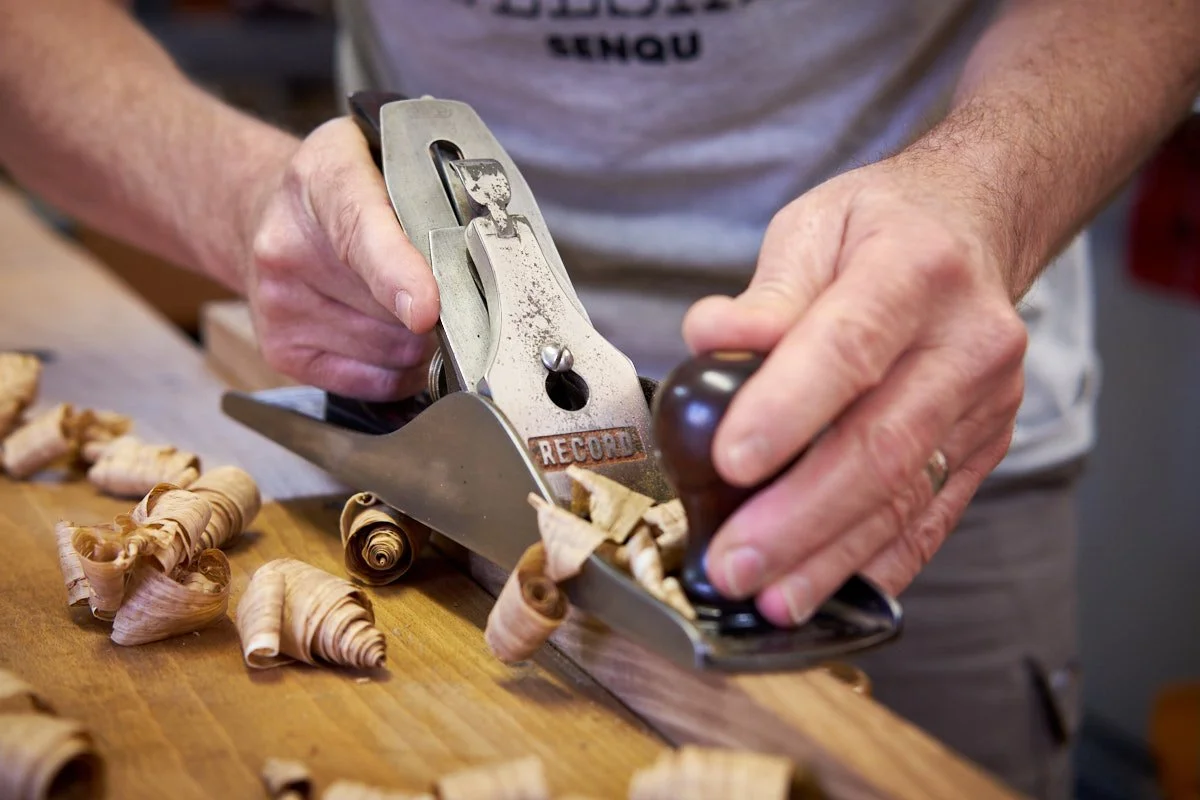
Why the #5 Is Beginner Friendly
So why should a beginner choose the #5 over other planes?
First, there is no shortage of information online about how to set up and use a #5. Between written guides, YouTube videos (including mine), and downloadable checklists you can keep at the bench, you’ll never be short of help. You can get unlimited access to all my downloadable shop aids and checklists by signing up here.
There are new downloads on their way to my workshop library, specifically targeted to hand planes for beginners.
Secondly, its length makes learning easier. Shorter planes like the #4 can do everything the #5 can do, but they demand better technique to get straight, flat, square stock. Longer planes like the #7 or #8 make accuracy easier, but they also make your arms tired faster — not ideal for beginners.
That brings us neatly to weight.
Modern planes are often heavier than vintage ones. While the extra mass does help to generate momentum in the cut, it also increases fatigue. Some say heavier planes chatter less, but in my experience this isn’t always true. A #5, old or new, hits the sweet spot: heavy enough to build momentum, light enough to use for extended sessions.
Finally, ergonomics. This is personal, but the #5’s balance, size, and handle layout make it one of the most comfortable planes I own. It’s a great plane to learn on simply because you’ll actually enjoy using it.
Still curious about my first ever hand plane?
Surprisingly it wasn’t a Jack at all — it was a lovely little Luban bevel-up block plane. Not as versatile as the vintage Stanley #5 that came very soon after, but it’s still the hand plane I use the most today.
It’s also the one I’ve dropped the most…
The very first video on my YouTube channel shows how I fixed it after its last fall.
My second plane, though, was a Stanley #5 that I restored over three days and that wasn’t the end of it, I now own 2 Bailey pattern #5s, a low angle Jack and 3 wood bodied examples of this supremely versatile tool! All my wooden planes I made myself and you can find the 6 part build process right here on my website, I’ve even taken to making my own blades.
Wrapping Up
If you’re choosing your first hand plane, the #5 Jack plane is the most versatile and beginner-friendly starting point. You’ll use it for years, and it’s one of the few planes you can confidently grow into rather than out of.
And as a word of warning: a #5 might be your first…
It won’t be your last.
Up Next in the Hand Plane Series:
In the next article I’ll cover the one plane I believe should follow your #5 — a tool you’ll use on almost every single project.
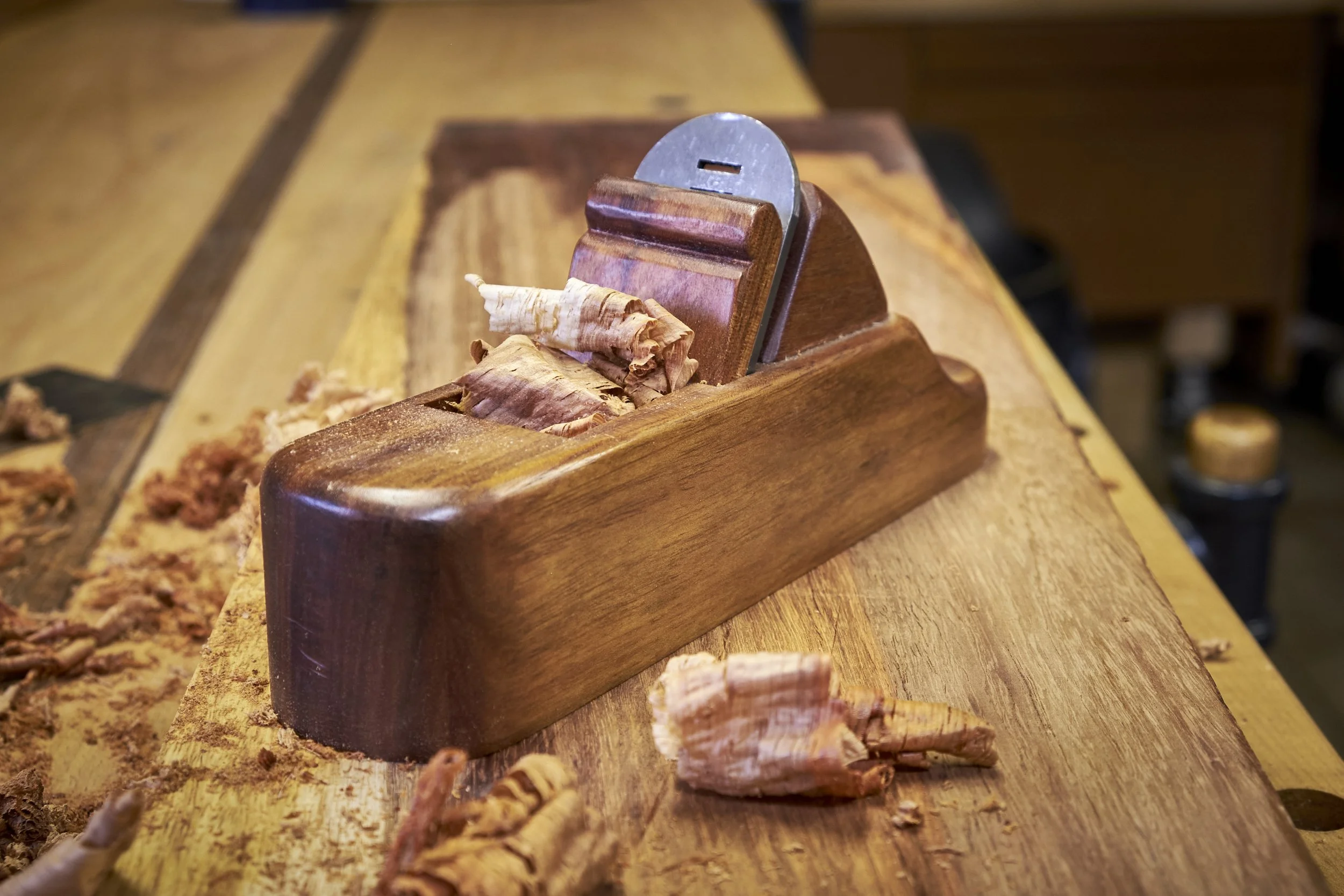
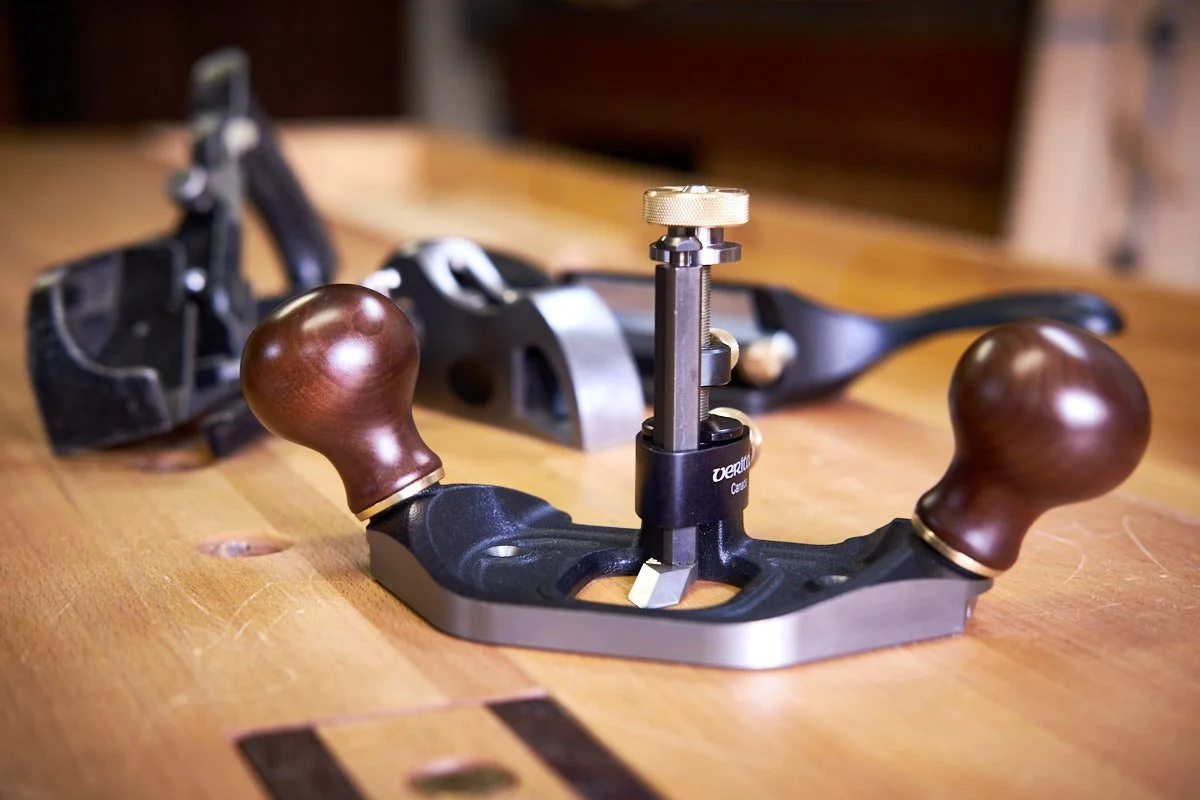
Low angle jack planes are often sold as the ultimate do-it-all hand plane, but they may not be the best first choice for beginners. Here’s why I would usually start with a standard No. 5 jack plane instead.